STREET CHILDREN PROGRAM
POVERTY ALLEVIATION PROGRAM
JOGAJOG has been working directly in the field of poverty reduction and removing economic disparity and inequality from society since its inception through various interventions. The strategies adopted by JOGAJOG were as follows :
Identification and formation of groups
JOGAJOG conduct a baseline survey before initiating work to identify real distress people and organized them into groups for easy delivery of services. Special emphasis is given to woman, widows, divorced woman and handicapped considering their vulnerability.
Micro- credit
Micro financing has been the core activities of JOGAJOG. Its has continued disbursing micro-credit to initiate enterprise on the basis of need assessment, interest and worthiness of target members on soft and flexible terms and conditions. During the reporting year JOGAJOG has disbursed loan to the tune of tk. 5800000 to 2858 target members of whom 837 were female. Regular monitoring and supervision is done to ensure loan utilization. The achievement is shown below –
Entrepreneurship Development
JOGAJOG has been striving for entrepreneurship development of target people to pave the way for achieving the goal of self-employment. Apart from micro –credit support, JOGAJOG has been organized various skill development training for management development for efficient management of enterprises. During the year, JOGAJOG organized enterprise development training for 18 target people so that they can attain necessary skill for operating business.
Computer distribution
JOGAJOG distributed 108 computer donated by Young One of Koria, among 540 youths (108 groups) of unemployed Juvenile of 16 words of Chittagong City Corporation area. The unemployed youths will have a source of income from the income of computer and will also create a provide environment for skill development training and viable IGA.
STREET CHILDREN PROGRAM
Street Children
In Bangladesh, as in many other developing countries, large cities are overcrowded with dense slums, squatter settlements and pavement dwellers having extremely limited access to basic services.
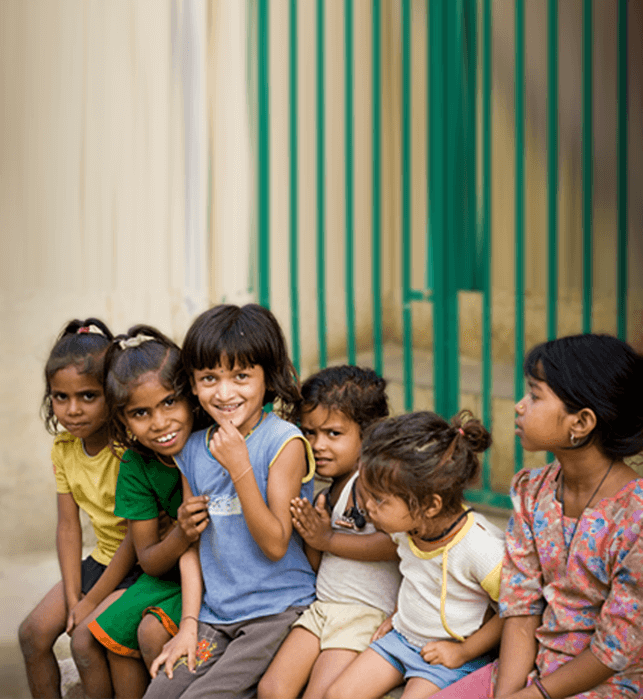
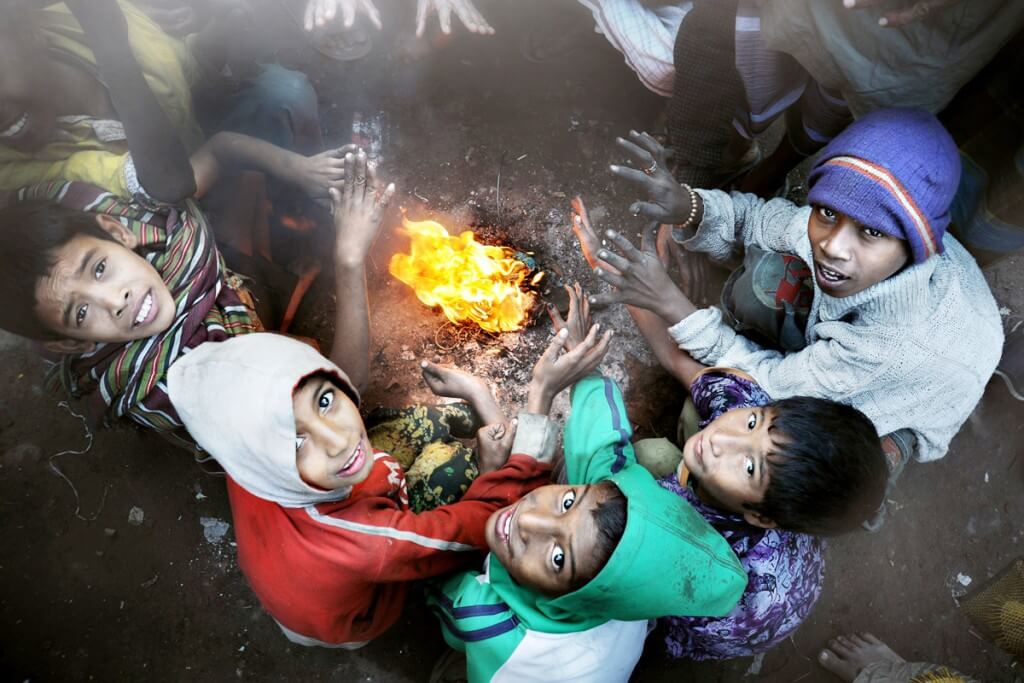
A particular vulnerable group in this regard is ‘Street Children’. They live and grow up on the margin of society in a state of neglect and deprivation, often without protection, without education, affection, care and guidance from the adult members of the family. Their presence and situation is symptomatic of social problems such as poverty, overpopulation, unemployment, illiteracy and the absence of alternative options to fulfill the minimum basic rights’ fulfillment of these children and their families.
The project defines street children as ‘Children below the age of 18 years who are living, working, playing and sleeping on the street and are deprived of basic rights (ARISE report: A Review of Existing Services relating to street children, December 1999). Minimum age of the street children has been considered by the project 6 years in its design.
Although street children are not new phenomena in Bangladesh, the hard fact is that at neither macro-level nor micro level, appropriate data or reliable statistics are available on their number, their actual living conditions, needs and interests. According to the ‘Estimation of the Size of Street Children and their Projection for Major Urban Areas of Bangladesh 2005’ commissioned to BIDS by ARISE, the present number of Street Children in six divisional cities has been estimated as 3,89,892 with a major concentration in Dhaka city 63.91% and the lowest concentration being 2.50% of the total in Barisal. The problem is thought to be escalating due to the rise in urban migration and rural poverty. Despite the hazardous living conditions in the cities, out-migrants from rural areas are pouring into urban centers due to rural poverty, unemployment, landlessness, river erosion, family conflict, worse law and order situation, disintegration of traditional family and community structures that have ushered changes in the socio-economic scenario. As such the number of street children is likely to increase. The above BIDS study predicts the number street children shall rise to 1,144,754 in 2014 and 1,615,330 in 2024.
There is no mention of street children in the Government’s substantive policy document, the National Child Policy. The absence of legal recognition hampers mainstreaming of this segment to society and in extending adequate protection and promotion of their human rights and dignity.
The two components of the Protection of Children at Risk (PCAR) Project
1. ARISE – Street Children Sub-Project
As part of realization of Government of Bangladesh’s commitment to the ratification of the UNCRC, a programmed entitled ‘Appropriate Resources for Improving Street Children’s Environment’ (ARISE) has been initiated for implementation by the Department of Social Services (DSS) under the Ministry of Social Welfare (MSW), with financial support from UNDP. Initiated in 1998 the project was planned for 3 years and started functioning from April 1999 in six divisional cities. The project was supposed to be ended in March 2002. In the meantime duration of the project was extended twice up to June 2005 and again for another six months i.e. up to December 2005. Meanwhile, final evaluation of the project was conducted in 2004 and they recommended for implementation of the second phase for another five-ten years. But the second phase was supposed to commence on July 2005, which could not take place on time, and the project was extended up to March 2007.
The major objective of the ARISE project was to promote and protect the rights of the street children and to support the development programmes targeted to street children by strengthening their survival skills and providing opportunities for a productive future through the government, NGO and community-based interventions. So far the project has been able to bring tangible changes in the lives of the street children in some areas but institutionalization of the efforts and sustainability of the impact need some more time and that is why the proposal for starting a new phase has been made accommodating the recommendations of the final evaluation focusing on the need of reintegration. Further this project will also address needs of children without parental care.
2. Children Without Parental Care:
This sub-project is a new initiative starting from April 1, 2007. It aims at developing institutional capacity for protecting children in families and community and considers institutionalization of children as the last resort where the minimum care standard for children will have to be ensured. During the 21-month period the project will develop knowledge on the situation of children in the orphanages, vagrant homes and correctional centres and pilot initiatives for deinstitutionalization suitable for Bangladesh country context. Based on the learning from this period future initiative in this area will be taken.
Goal/ Objectives:
A. Goal
To protect street children and children without parental care from abuse, exploitation and violence and improve their life conditions promoting a protective environment.
B. Specific
ARISE: Street Children Sub-project
-
To develop capacity for establishing reintegration mechanism for street children with the family and community.
-
To ensure protection of children living in the street situation and capacity building of stakeholders.
-
To enhance and strengthen basic Drop-in Centre services for Street Children in 6 divisional cities of Bangladesh.
-
To strengthen the psycho-social and life skills support services.
-
To enhance the capacity of street children for market driven jobs that ensure a sustainable livelihood through providing non-formal education; and livelihood skills training.
Children without Parental Care Sub-project:
a. To build institutional capacity on proactive social work and develop minimum institutional care standard for the children in institutions, which is the last resort.
b.To develop community based care mechanisms and consider institutionalization as a measure of last resort.
Experience of working with Street Children intervention Programs
|
Sl No.
|
Specific Projects/activities
|
Duration
|
Donor
|
|
01
|
Non-formal education
|
1.04.00 to 31.03.07
|
UNDP
|
|
02
|
Health services
|
1.04.00 to 31.03.07
|
UNDP
|
|
03
|
Legal aid protection
|
1.04.00 to 31.03.07
|
UNDP
|
|
04
|
Advocacy program
|
1.04.00 to 31.03.07
|
UNDP
|
|
05
|
Street Children forum
|
1.04.00 to 31.03.07
|
UNDP
|
|
06
|
Networking
|
1.04.00 to 31.03.07
|
UNDP
|
|
07
|
Vocational training
|
1.04.00 to 31.03.07
|
UNDP
|
|
08
|
Psychological counselling
|
1.04.00 to 31.03.07
|
UNDP
|
|
09
|
Job placement
|
1.04.00 to 31.03.07
|
UNDP
|
|
10
|
Drop-in-centre
|
1.04.00 to 31.03.07
|
UNDP
|
|
11
|
Awareness raising
|
1.04.00 to 31.03.07
|
UNDP
|
|
12
|
Recreational activities
|
1.04.00 to 31.03.07
|
UNDP
|
|
13
|
Capacity building
|
1.04.00 to 31.03.07
|
UNDP
|
|
14
|
Sheltering
|
1.04.00 to 31.03.07
|
UNDP
|
|
15
|
Non-formal education
|
1.04.07 to 31.12.07
|
UNICEF
|
|
16
|
Health services
|
1.04.07 to 31.12.07
|
UNICEF
|
|
17
|
Legal aid protection
|
1.04.07 to 31.12.07
|
UNICEF
|
|
18
|
Advocacy program
|
1.04.07 to 31.12.07
|
UNICEF
|
|
19
|
Street Children forum
|
1.04.07 to 31.12.07
|
UNICEF
|
|
20
|
Networking
|
1.04.07 to 31.12.07
|
UNICEF
|
|
21
|
Vocational training
|
1.04.07 to 31.12.07
|
UNICEF
|
|
22
|
Psychological counselling
|
1.04.07 to 31.12.07
|
UNICEF
|
|
23
|
Job placement
|
1.04.07 to 31.12.07
|
UNICEF
|
|
24
|
Drop-in-centre
|
1.04.07 to 31.12.07
|
UNICEF
|
|
25
|
Awareness raising
|
1.04.07 to 31.12.07
|
UNICEF
|
|
26
|
Recreational activities
|
1.04.07 to 31.12.07
|
UNICEF
|
|
27
|
Capacity building
|
1.04.07 to 31.12.07
|
UNICEF
|
|
28
|
Sheltering
|
1.04.07 to 31.12.07
|
UNICEF
|
|
29
|
Family Repatriation
|
1.04.07 to 31.12.07
|
UNICEF
|
|
30
|
Life skill training
|
1.04.07 to 31.12.07
|
UNICEF
|
CHILD DEVELOPMENT PROGRAM
JOGAJOG has been putting more emphasis to establish child rights. It has been implementing a child development project title ‘‘ARISE’’ ( Appropriate resources for improvement of street children Environment ) at 41 wards of Chittagong City Corporation under the ministry of social service , with the financial assistance of UNDP and UNICEF. The major component of the project are –
- Non- formal Education
- Vocational training
- Drop in center
- Drop in shelter
- Awareness raising
- Advocacy
- Health service
- Legal aid protection
- Networking
- Recreation
- Job placement
- Market survey
The achievements are given below
|
Sl no.
|
Name of Components |
Achievement in 06-07
|
Cumulative
|
|
1
|
Non- formal Education |
1350
|
18088
|
|
2
|
Vocational training |
290
|
2115
|
|
3
|
Drop in center |
690
|
3250
|
|
4
|
Drop in shelter |
164
|
700
|
|
5
|
Awareness raising |
1350
|
18088
|
|
6
|
Advocacy |
1350
|
2341
|
|
7
|
Health service |
1350
|
18088
|
|
8
|
Legal aid protection |
5
|
49
|
|
9
|
Networking |
18
|
72
|
|
10
|
Recreation |
1350
|
18088
|
|
11
|
Job placement |
164
|
1686
|
|
12
|
Market survey |
–
|
21 Trade
|
EDUCATION PROGRAM
Education
Illiteracy is a major impediment to economic, social, political, cultural and other development of Bangladesh. It is the only tool to develop people’s potentials, creativity, inner traits and discerning capability . JOGAJOG, since its inception, has been trying to remove illiteracy from society. JOGAJOG had started its journey through implementation of a NFE project of DNF at Rangamati. Under the education program, both non- formal education and special education to its target beneficiaries.
Non-formal Education
JOGAJOG conducts
-
120 non-formal education school for the dropout street children at 41 wards of Chittagong City Corporation .It also encourages the disadvantaged and working dropout children to enrollment.
-
70 Non-formal education school for reaching out of school Children at Banskali, Chittagong.
-
30 post literacy, Continues education and human Dev. school at Begumgong Noakhali.
-
75 NFE center at Manikchari and Matirranga under Khagrachari District.
Special Education
JOGAJOG conduced 15 school for special education at Aklaspur Union of Begumgong Upazila of Noakhali district under a project tilled PLCEHD ( post Literacy and Continues Education for Human Development). The project was implemented under the department of Non-formal Education ( DNFE) and financial assistance from Asian Development Bank (ADB). The achievement is as follows-
|
Type of school
|
District
|
Thana
|
Total school
|
Number of
student in 06-07
|
Number of student in up to 06-07
|
| Non-formal education |
Chittagong |
Kotowali,Doublemoring,PatengaBakalia, Pahartali,Bander,Khulshi,Bayzid Karnafuli Panclaish,Halishahar,Chandgaon |
120
|
750
|
17,488
|
| Special education |
Noakhali |
Begumgong |
15
|
–
|
900
|
| Rose education |
Chittagong |
Baushkhali |
70
|
–
|
2100
|
| Cultural education |
Chittagong |
21, Mehidibag, Ctg.City Corporation |
2
|
680
|
3580
|
| NFE |
Khagrachari |
Manikchari,Matiranga |
75
|
–
|
2250
|
|
|
Total |
282
|
1430
|
27118
|
NUTRITION PROGRAM
Malnutrition a major health problem in Bangladesh and a serious impediment to national socio- economic growth and productivity. The prevalence of child stunting and under weight are still very high in Bangladesh according to criteria of WHO .Maternal washing is also extremely common and an energy intake < 1805 Kcal/person/d, is an indicator of ‘extreme poverty’. Almost one half of children (47)% and one third of non –pregnant mothers (33%) are anemic and prevalence of night blindness is a serious public health problem .There are also high prevalence of anemia and low dietary intake of micronutrients including iron and vitamin A according to NSP ( Nutritional Surveillance Program) survey. The government of Bangladesh recognizes the serious nature of the nutrition problem in the country and its divesting consequence for the nation . Government has undertaken two direct intervening program HNPSP and National Nutrition Program (NNP) to address the severity of nutrition problem in the country and its divesting consequence for the nation . Government has under taken the issue as priority in their plan of action . Causes of malnutrition are varied and interrelated and that there is binding co-relation between poverty and malnutrition. Poverty contributes significantly to malnutrition. In Bangladesh the worst victims of malnutrition are children and woman . Paradoxically it not the money but to some extent ignorance about the nutritional value of foodstuffs are the vital factor that contribute malnutrition largely.
JOGAJOG has under taken special project to reduce nutritional deficiency of target people particularly for woman and children considering their vulnerability. JOGAJOG has also made extensive research on malnutrition situation of target people with especial emphasis on mother and children. JOGAJOG has been implementing the following activities since its inception.
a) Awareness raising on nutrition:
Considering the material impact of awareness in curbing malnutrition from society. JOGAJOG has been implementing awareness raising activities for behavior change communication (BCC). In her all project there are activities of various socio-economic issues like health and nutrition . Nutrition has been a major component in JOGAJOG.
In the NFE and ARISE project awareness raising is a core component. Major segment of awareness includes health and nutrition. More focus is put on health education, family planning, and birth spacing, nutritional value of food, preventive method of diseases, environment sanitation and safe drinking water etc. All these education contribute substantially to overcome malnutrition problem. During the year JOGAJOG has conducted awareness training to 880 target people.
b) Health Service for Nutrition:
Apart from awareness raising JOGAJOG has been providing health services for diseases relating to malnutrition. Parasitic infestation is considered as a very vital causes for malnutrition. It is said that almost 85% malnutrition problem can be solved through eradicating intestinal parasites in Bangladesh. It is also said that as many as 30,000 child become blind due to vitamin A deficiency. To address the situation and considering appreciable impact on nutritional status JOGAJOG has so far distributed de worming tablets and Vitamin A capsules to 6200 persons. JOGAJOG has provided direct health services to diseases arising out from nutritional deficiency . it has contributed to NID. However it has treated to 686 patient for malaria; 566 for iron deficiency; 648 no. Eye patient for Vita A deficiency; and 1646 for other nutritional diseases during the reporting year.
c) IGA promotion for nutrition:
JOGAJOG has been promoting IGA that contribute directly to nutrition. It has provided loan amounting to tk. 5800,000 for scale up IGA like kitchen gardening. Homestead gardening and vegetable gardening. During the reporting year a total of 1087 members have received loan for these off farm IGAS. All the product of these IGA contributed directly in curbing nutrition deficiency. In addition JOGAJOG has provided loan for poultry rearing and beef fattening which has contributed in increasing micronutrients and protein to the household. The progress was as follows:
|
Sl.no.
|
Name of trade
|
No. of Beneficiaries
|
|
1.
|
Kitchen gardening |
105
|
|
2.
|
Home stead Gardening |
66
|
|
3.
|
Vegetable gardening |
54
|
|
4.
|
Poultry rearing |
136
|
|
5.
|
Beef fattening |
780
|
|
6.
|
Fish cultivation |
46
|
|
Total
|
1187
|
d) Capacity Building for nutrition :
AS a part of promotional activities JOGAJOG organized 4 training courses on kitchen and homestead gardening . The content of the courses were about
a) Importance of homestead gardening
b) Nutritional value of vegetables and fruits.
c) Importance of Kitchen gardening.
d) Method of gardening and care taking
e) Marketing strategies.
In addition JOGAJOG organized 30 training courses on poultry rearing and beef fattening during 06-07. A total of 2858 target people attended these courses. The main objectives of organizing these training courses were-
- To aware people about nutritional situation of Bangladesh.
- To aware about their role in addressing the situation .
- To promote IGA for nutritional deficit.
- To help people understand the serious consequence of nutritional deficiencies.
- To improve household food security and BCC.
The achievement is given below-
|
Sl no.
|
Name of courses
|
No. of beneficiaries
|
|
During FY
|
Total
|
|
1
|
Kitchen gardening
|
326
|
468
|
|
2
|
Homestead gardening
|
109
|
402
|
|
3
|
Vegetable gardening
|
124
|
255
|
|
4
|
Poultry rearing
|
223
|
336
|
|
5
|
Fish cultivation
|
316
|
142
|
|
6
|
Beef fattening
|
423
|
1255
|
|
Total
|
1527
|
2858
|
TRAINING PROGRAM
Skill Development Training:
A lot of need based training was organized for life skill development for the capacity building and entrepreneurship development of target beneficiaries on various viable IGA. JOGAJOG has been supporting target people to initiate IGA for income and employment generation. The progress was as follows:
|
Sl no.
|
Name of trade
|
No of beneficiaries
|
|
2006-07
|
Cumulative
|
|
1
|
Fish cultivation
|
|
758
|
|
2
|
Tailoring
|
60
|
527
|
|
3
|
Beef fattening
|
80
|
1156
|
|
4
|
Goat rearing
|
|
350
|
|
5
|
Kitchen gardening
|
|
778
|
|
6
|
Poultry rearing
|
|
665
|
|
7
|
Paddy cultivation
|
|
824
|
|
8
|
Seed processing
|
|
126
|
|
9
|
Nutrition/ vegetable gardening
|
196
|
2046
|
|
10
|
Cooking
|
—
|
24
|
|
11
|
Embroidery
|
—
|
60
|
|
12
|
House wearing
|
—
|
28
|
|
13
|
Welding
|
2
|
18
|
|
14
|
Auto mobile
|
2
|
27
|
|
15
|
Carpentry
|
—
|
24
|
|
16
|
Food processing
|
20
|
136
|
|
17
|
Book binding
|
—
|
70
|
|
18
|
Screen printing
|
—
|
48
|
|
19
|
Hair cutting
|
—
|
23
|
|
20
|
Painter
|
—
|
7
|
|
21
|
Garment
|
160
|
708
|
|
22
|
Homestead gardening
|
–
|
109
|
|
Total
|
520
|
8408
|
Life Skills Training
Though street children tend to have their own survival skills, they fall victims of abuse, exploitation and violence. It is necessary to understand their capacity development needs as street children and also to assess the extent of prevalence of life skills component in the existing project. Following the assessment the project will provide life skills training to all targeted children developing or adopting appropriate curriculum. Life skills trainings will aim at equipping street children with competencies to enable them face challenges of life, set goals, minimize stresses, take appropriate decisions and lead smooth and socially accepted life.
Alternative Livelihood Training
The project will impart livelihood skills training to targeted children in order to develop alternative livelihood skills to shift them from hazardous engagement, find decent employments and earn better income for subsistence. Life skills training contribute for development of confidence and visions of life because of the continuous psycho-social support provided by the project.
Livelihood skills training will be provided by the project in three ways. The first initiative will be taken by the partner NGOs in the premises of the drop-in-centre through the use of hired trainers who will provide training on marketable trades. Secondly, formal GO/NGO training institutes will be targeted to provide training and thirdly on-the job training will be provided be through the relevant sectors.
Access to the formal training facilities is, however, limited because of the inbuilt rules and regulations i.e. required minimum educational competencies, in some cases age requirement, etc. The project will undertake negotiations with the appropriate authorities to create some provisions for the street children and make the training curriculum friendly for the trainee children.
Both the boys and girls living in street situation are targeted for livelihood skill training with equal emphasis as per guideline of the project. This training helps children to be withdrawn from the hazardous work they are involved mainly. Training trades are different for the younger boys and girls than the adolescents. Livelihood skills training guide children to build career for sustainable earning which is a long term impact of the intervention. Working with the project for a last couple of years pNGOs have gained significant experiences on some marketable trades in their local context and ensure benefit to the street children on training.
HEALTH & SANITATION PROGRAM
Health Services
JOGAJOG has been contributing the importance and effect of health.
|
Type of service
|
No. of service provided during 06-07
|
Total service provided
|
|
Curative
|
750
|
14272
|
|
Preventive
|
750
|
17488
|
|
Awareness
|
750
|
17488
|
JOGAJOG has provided motivational services and effective interventions for controlling booming birth rate.The beneficiaries have been provided awareness training about the impending danger of population growth. In addition JOGAJOG has distributed 15565 contraceptives to target beneficiaries to protect the growth rate during the year 06-07.
A) Deworming:
Prevalence of intestinal parasitic infection is of highest proposition and a root cause of many diseases and malnutrition in our society, it is reported that 65% malnutrition problem are caused due to parasitic infection in Bangladesh. JOGAJOG has distributed 17488 antianthalmintic tablets to target beneficiaries during the year.
B) Health Education:
85% diseases are preventable and can be prevented through just raising awareness. JOGAJOG has placed greater attention to health education Apart from previous progress, JOGAJOG , during the FY, has provided health education to 750 beneficiaries through its various projects . The main focus on health education was on family planning , prevention method of prevention of various contagious diseases like Cholera, diarrhea and other common diseases. Use of hygiene sanitary latrine, Use of safe drinking water , nutritional value of various foods, causes of infectious diseases and method of its prevention etc.
C) HIV/ AIDS prevention:
JOGAJOG has been involved in various activities relating to control the spread of HIV/AIDS . JOGAJOG has provided awareness raising, counseling on prevention and control the spread of HIV / AIDS . During the year of 2006-07 JOGAJOG has completed screening of 880 persons and have involved in various awareness campaigns against the spread of HIV/ AIDS.
D) Immunization:
JOGAJOG has been involved in immunization drive of so many years . It has actively participated in government implementation of BCC and EPI program of health ministry. Moreover, JOGAJOG has provided tetanous Toxiod injection to 48 person during this fiscal year.
E) Vitamin A/ Eye Care:
JOGAJOG has provided vitamin A Capsul for Multivitamin of 17488 street children and disadvantages children. JOGAJOG has been working for prevention of premature child blindness that mostly caused by vitamin a deficiencies .JOGAJOG has been involved in awareness campaigning for prevention of child blindness. Every year as many as 30,000 children become victims of blindness due to lack of awareness in Bangladesh. Considering the gravity of situation JOGAJOG has been providing 3000 Vitamin –A capsule to vulnerable children.
F) Sanitation:
JOGAJOG has been supporting and motivating target people for installation of hygienic sanitary Latrine particularly in rural areas to have a clean and sound environment and to control various contagious diseases. During the year 06-07 the achievement were 818 at Hathazari and Sandwip Upazila under Chittagong district.
G) Arsenic mitigation:
JOGAJOG worked in the field of Arsenic Screening Mitigation. It has successfully completed a government project on Arsenic mitigation in collaboration with Government at Dagan Bhuiya, Upazila Noakhali district .Total numbers of beneficiaries were 211,000.
H) Sex- workers program:
JOGAJOG has been working in the field of sex- worker rehabilitation and their health. During the period, JOGAJOG has completed screening of 82 sex workers and taken steps to rehabilitate 48 out of 32 through life skill training and IGA support and job placement.
I) STD prevention :
JOGAJOG has been working in prevention of STD and VD through rehabilitating the street sex workers it has intercepted the potential risk of its spread. JOGAJOG has screened 60 children and treated 60 children for STD. During the period treated 20 children. JOGAJOG provides special attention on the socio- economic development of the people for the employment and income generation and enterprise development at kawkhali, Bandarban, Karnafuly, Pahartali, Panchlish and Doublemoring Upazila under Chittagong district.
J) Sex- workers Health Education :
JOGAJOG during its work with street children observed that 70% sex workers are below 18 and maximum of them are street children . It has been working with the sex- workers to provide Health Education with the help of health Directorate and health Education because so that they can keep them free from STD,HIV/ AIDS.
K) Behavior change communication :
JOGAJOG has been playing vital role in Behavior change communication in the field of social and health issues like a) Child and adolescent health care, b) Child sex workers health education , c) Sex workers STD/ AIDS prevention , d) Massage for proper nutrition and hygiene practice, e) Information about poverty, safer sexual behavior, f) Avoid health risks including HIV/ AIDS with the assistance of health education.
L) Awareness raising program :
Considering spontaneous participation of community people in development is most sustainable, JOGAJOG has undertaken some initiative for raising awareness.
- Use of sanitary latrines
- Drinking boiled water
- Using Tube-well water
- Care of pregnant mother and child
- Family planning adoption
- Utility of Breast feeds to the children
- Nutrition issues
- Environment development
- Demerit of early marriage
- Demerit of early child bearing
- Consequence of unregistered marriage.
- Incongrov divorce.
- Consequence of woman oppression
- Trashing rapes and
- Effects of Child and woman trafficking.
RELIEF REHABILITATION PROGRAM
HOUSING PROGRAM
Bangladesh have been a country where a large segment of population is deprived of basic human needs. Shelter or housing is the need that is considered as a priority need for human being. But various study suggest that poverty, natural disasters like river erosion, floods etc. have been contributed a lot for frequent dislocation and lose of shelter in Bangladesh . It is roughly estimated that as many as 18% people do not have houses or they have to live in a unhealthy home. These entire houses lack basic human amenities. As a disaster prone country every year a considerable number of population lose their shelter or homes. But a healthy home is a must for normal growth and human development.
JOGAJOG as a part of her social commitment has been implementing a housing project titled ‘‘Low cost house for distress people’’ with the financial assistance from Bangladesh Bank. The project implemented at Sandwip and Hathazari Upazila of Chittagong District.